blog02.jpg)
As behavioural science (BeSci) becomes increasingly embedded in how we design learning experiences, its influence is being felt across teams - sometimes subtly, sometimes profoundly. To understand how this shift is landing with our developers, we sat down with our DEV team for an open conversation about what’s changing, what isn’t, and where the opportunities lie.
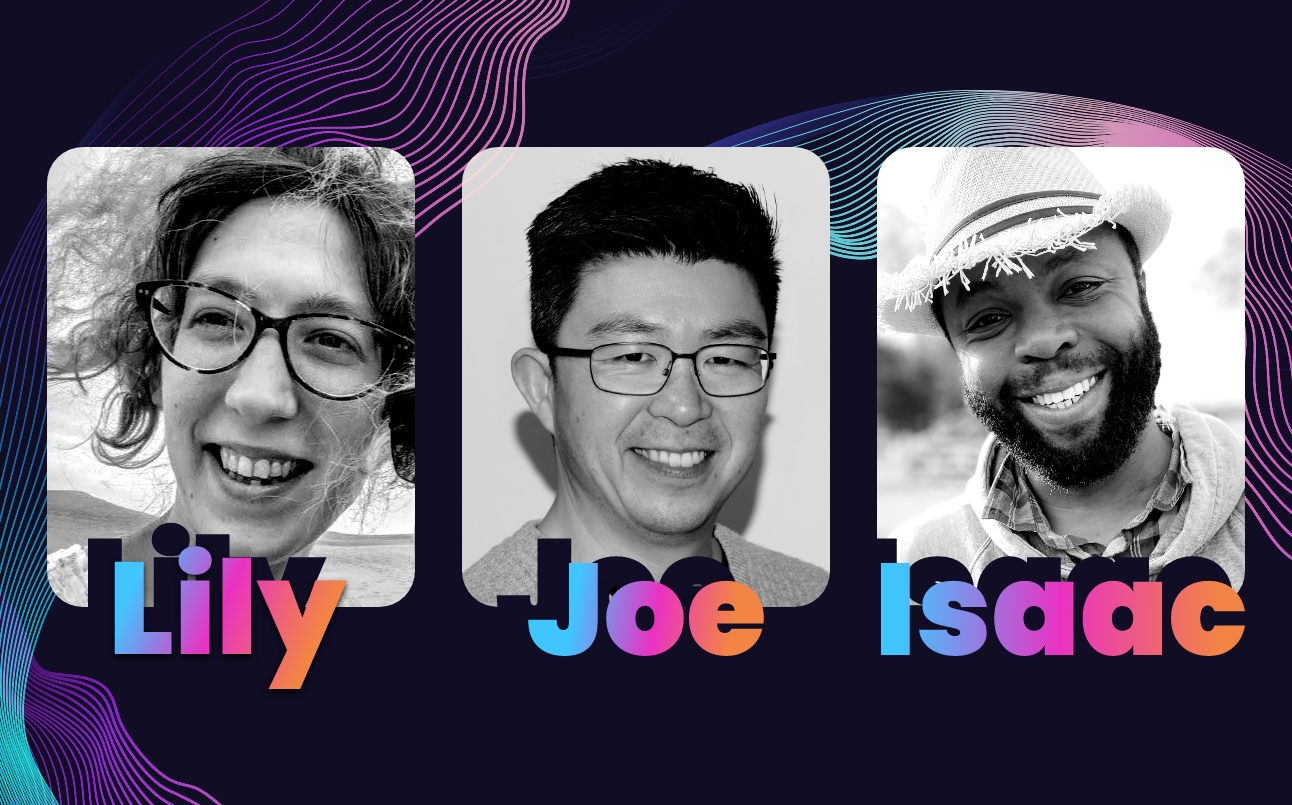
Joe Chung, Technical Lead
Knowing the science and thinking behind a design means we are then able to put more care into it. It stops feeling like typical, mundane e-learning and starts to feel more exciting. Like you’re building something that actually matters.
Isaac, Senior Developer
You can tell when thought has really gone into how people will interact with it, and that makes it more interesting to work on and for the user to experience. You can feel when a piece has been designed with behaviours in mind.
Joe
There’s more crossover now between us and the UX team. We really collaborate, especially on things like transitions, flow, and how interactions feel.
Lily Trillium Law, Developer
I work on our experience platform, XP, and development often leads the process, and UX designs around the technical plan. That naturally creates closer collaboration earlier on.
Joe
We’ve noticed changes in how our designers approach work, thinking more carefully about transitions, polish, and how things feel, not just how they look. That absolutely affects how we then develop the piece.
Isaac
Yeah, they really push the boundaries now. The goal isn’t just to “make it work,” but to make it feel premium and engaging, so users don’t experience it as just another boring module.
Joe
It always helps to have a clearer understanding of why certain design decisions are being made from a behavioural perspective.
Isaac
Yeah, because if the goal is to elicit a certain reaction from users, that needs to be factored in from the start. You can’t always achieve that if you’re limited to a few hours at the end. When I’m involved from the beginning and understand the “why,” I enjoy the work more and feel more invested. Otherwise, you’re just building HTML with text. It doesn’t evoke anything.
Joe
When we understand the behavioural science thinking in a design, we have more confidence suggesting alternatives or enhancements - like different ways to present content, interactions, or storytelling.
Lily
We may not get explicit “behavioural science direction,” but a lot of that thinking has always been part of our work - especially around analytics, user behaviour, and decision-making. It feels like it existed before it had a formal label.
Isaac
Keeping up with what’s happening with our behavioural science practice is really important to our work now.
Joe
Yeah, we have a thirst for BeSci knowledge now. Because we know there’s untapped potential here - not just for design quality, but for us as developers too.